TPCI organizes the 9th edition of Indusfood 2026
Trade Promotion Council of India (TPCI), with the valued support of the Department of Commerce, Government of India, proudly organized the remarkable 9th edition of Indusfood 2026 from January 8–10, 2026, at the India Expo Centre & Mart in Greater Noida.
Recognized as Asia’s premier global Food & Beverage trade exhibition, this edition brought together over 2,200 exhibitors from 120+ countries, attracted 20,000+ trade visitors, and facilitated more than US$1.5 billion in on-spot business opportunities, creating an exceptional platform for industry leaders, exporters, and global buyers to forge meaningful connections, explore lucrative market opportunities, and drive progress in the international food and beverage ecosystem.

Indusfood 2026, Asia’s leading global food and beverage trade exhibition, concluded successfully after three high-energy days of business engagement, international collaboration, and strategic dialogue at the India Expo Centre & Mart, Greater Noida. Held from 8–10 January 2026, the ninth edition of Indusfood reaffirmed India’s growing stature as a reliable sourcing hub and a key driver in the global food value chain.
Organised by the Trade Promotion Council of India (TPCI) with strong support from the Government of India, Indusfood 2026 witnessed participation from over 2,200 exhibitors and attracted more than 15,000 international buyers from 120+ countries. Spread across 125,000+ square metres, the exhibition created a dynamic marketplace for exporters, importers, policymakers, chefs, and industry leaders to connect, collaborate, and explore new trade opportunities.
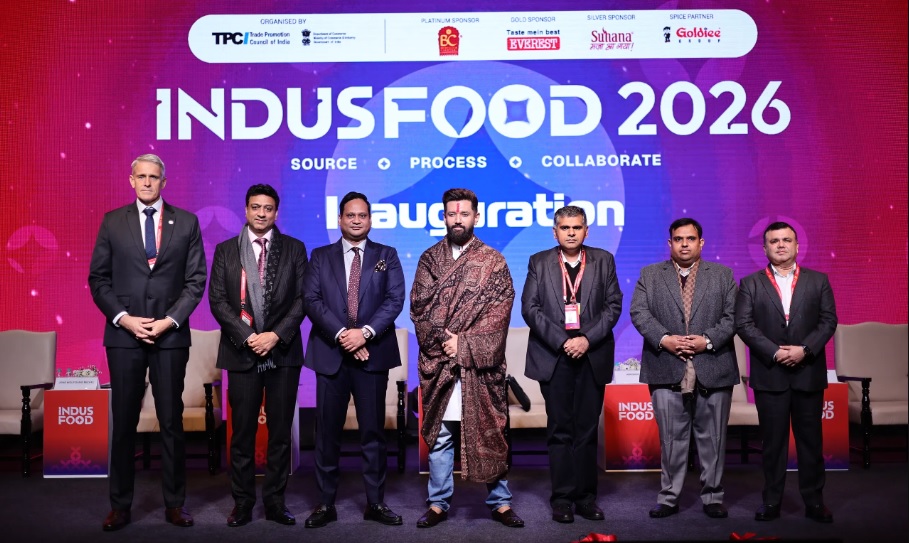
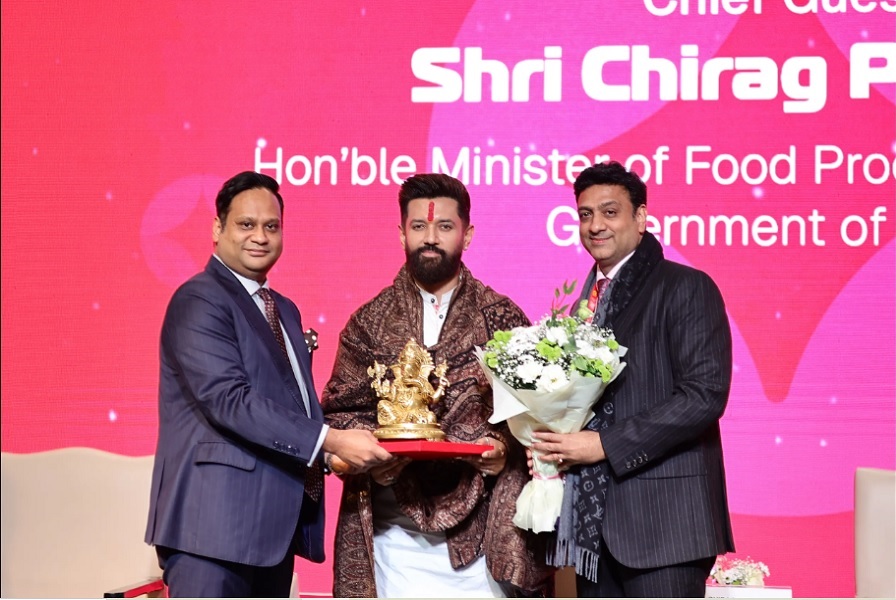
Inaugurating the event, Shri Chirag Paswan, Union Minister of Food Processing Industries, highlighted the strategic importance of the sector to India’s economic growth.
“I am here to support and motivate you all. The mere fact that the Government of India has a separate ministry for the food processing sector underlines the importance accorded to the sector,” the Minister said. “Now that we are food surplus, we all need to convert this volume into value. The strength of this sector and India’s untapped potential to become the global food basket must now be channelised effectively.”
Throughout the exhibition, Indusfood 2026 showcased the diversity and depth of global food trade. From traditional Indian staples such as spices, ready-to-eat foods, cereals and sweets to contemporary offerings like plant-based foods, premium beverages, pet nutrition products, and modern kitchenware, the show reflected evolving consumer preferences worldwide. Several international companies displayed customised products designed specifically for Indian and South Asian markets, underlining India’s growing importance as both a consumption and sourcing destination.
Beyond product displays, Indusfood 2026 served as a robust knowledge and policy exchange platform. High-level conferences, country-focused sessions, export strategy dialogues, and curated B2B meetings addressed key themes such as market access, regulatory alignment, sustainable supply chains, branding for global markets, and the future of food exports. The World Culinary Heritage Conference added a cultural dimension, spotlighting how traditional cuisines and culinary diplomacy can enhance global market positioning.
Addressing the conference, Mr. Tomasi Tuabuna, Hon’ble Minister of Agriculture & Waterways, Government of Fiji, highlighted the deeper value of traditional food systems, stating:
“Culinary heritage is a powerful expression of who we are. It reflects our landscape, our climate, our waterways, and the collective wisdom of generations.”
A major highlight of this edition was the strengthening of bilateral and multilateral trade initiatives. During the event, the India–UAE Food Corridor—led by the Abu Dhabi Food Hub—was formally highlighted as a strategic framework to enhance food security, streamline logistics, and promote long-term cooperation between the two nations in agri-food trade.
Shri Jitin Prasada, Minister of State for Commerce & Industry, Government of India, underscored the growing convergence of cuisine, culture, and commerce, stating, –
“Platforms like Indusfood and the World Culinary Heritage Conference reflect India’s unique strength—where our rich culinary heritage meets global trade opportunities. This congregation of chefs, exporters, buyers, and policymakers represents the future of collaboration, helping convert India’s agricultural abundance and cultural legacy into scalable value for global markets. With rising aspirations, quality consciousness, and supportive trade policies, India is well-positioned to emerge as a major hub for food processing, exports, and culinary diplomacy.”
Another significant announcement came from the Agricultural and Processed Food Products Export Development Authority (APEDA), which unveiled the BHARATI initiative—Bharat’s Hub for Agritech, Resilience, Advancement and Incubation for Export Enablement. The programme aims to support agri-food and agri-tech startups by fostering innovation, strengthening export readiness, and facilitating access to global markets.
Speaking on the initiative, Shri Abhishek Dev, Chairman, APEDA, stated, “The BHARATI initiative is designed to empower agri-sector startups by fostering innovation and creating new export opportunities.”
As the exhibition drew to a close, the sentiment across exhibitor halls and buyer lounges was overwhelmingly positive. Indian exporters reported strong business leads, distribution discussions, and market-entry negotiations, while international buyers acknowledged India’s improving capabilities in quality, compliance, scalability, and sustainability.
Indusfood 2026 not only facilitated trade transactions but also strengthened India’s narrative as a future-ready food economy—one that combines agricultural abundance with processing excellence, policy support, and global ambition. With renewed momentum, strategic partnerships, and a shared vision for value-added exports, Indusfood 2026 has set a strong foundation for India’s next phase of global food trade growth.
